ANÚNCIOS
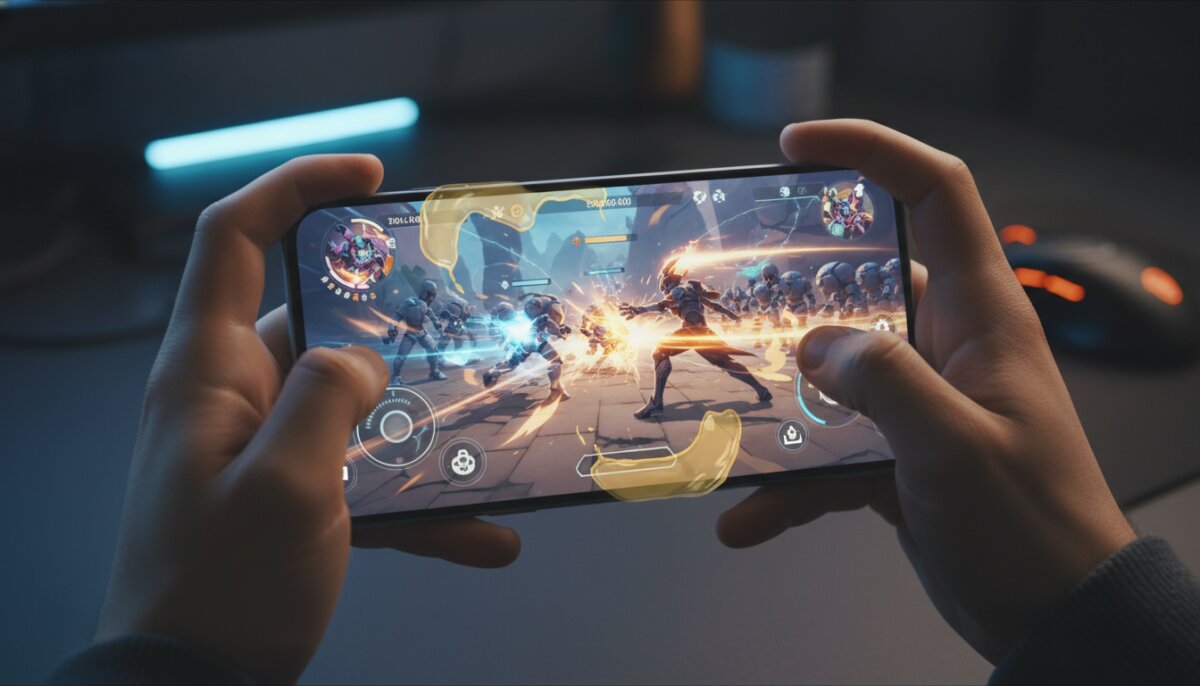
The mobile gaming scene has exploded over the past decade, but one genre has always faced skepticism from hardcore gamers: fighting games. Can touchscreen controls really deliver the precision needed for competitive play? The answer might surprise you.
We’re living in an era where mobile devices pack more power than consoles from just a few generations ago. This technological leap has enabled developers to create fighting games that don’t just look good, but actually feel responsive enough for serious competition.
ANÚNCIOS
Let me take you through the current landscape of mobile fighting games that have proven themselves worthy of competitive play, and what makes them stand out from the crowd.
What Makes a Fighting Game “Competition-Ready”?
Before we dive into specific titles, let’s establish what separates a casual fighter from one that can handle competitive play. Frame data consistency is absolutely crucial – the game needs to run at a stable frame rate without drops or stutters.
ANÚNCIOS
Input lag is another critical factor. Even a delay of 100 milliseconds can mean the difference between landing a crucial combo and getting punished. The best mobile fighters have optimized their engines to minimize this delay as much as physically possible.
Then there’s the control scheme. Whether using virtual buttons, gesture controls, or external controller support, the input method needs to be precise and reliable. Missing a dragon punch motion because of unresponsive controls simply isn’t acceptable at competitive levels.
The Technical Requirements for Smooth Gameplay
Modern smartphones have become incredibly powerful, but not all devices are created equal. Competitive mobile fighting games typically require at least a mid-range processor and sufficient RAM to maintain consistent performance.
Most serious players aim for devices that can maintain 60 frames per second consistently. Some newer titles even support 120Hz displays, giving players an even smoother experience with reduced input lag.
Display quality matters too. A screen with good touch sensitivity and minimal latency makes all the difference when you’re trying to execute frame-perfect combos or react to your opponent’s moves.
Top Mobile Fighting Games Built for Competition
Street Fighter: Duel
Capcom’s entry into the mobile fighting space takes a different approach than traditional Street Fighter games. While it incorporates RPG elements and auto-battle features, the core combat system maintains the strategic depth fans expect.
The game features real-time combat mechanics that require actual skill and timing rather than just team building. Players can manually control their fighters, executing special moves and combos that feel satisfyingly responsive on touchscreens.
What makes Street Fighter: Duel competition-worthy is its balanced PvP mode and consistent performance optimization. The developers have clearly prioritized smooth gameplay over flashy graphics that would bog down older devices.
Brawlhalla Mobile
This platform fighter made waves when it transitioned from PC and console to mobile. Remarkably, it maintained the same competitive integrity that made it popular on other platforms.
Brawlhalla supports cross-platform play, meaning mobile players can compete directly against PC and console players. This wouldn’t be possible if the mobile version couldn’t match the smoothness and responsiveness of its counterparts.
The control scheme adapts brilliantly to touchscreens while also supporting external controllers. The netcode is exceptionally well-optimized, providing stable online matches even on moderate internet connections.
Shadow Fight 4
Nekki’s Shadow Fight series has evolved significantly over the years. The fourth installment brings console-quality graphics and genuinely competitive gameplay to mobile devices.
The combat system features deep mechanics including throws, blocks, shadow abilities, and weapon-based combat. Each character has unique fighting styles and move sets that require practice to master.
What impresses most about Shadow Fight 4 is how well it runs across different device tiers. The developers implemented scalable graphics options that let players prioritize performance over visual fidelity for competitive matches.
Control Schemes That Actually Work
The elephant in the room for mobile fighting games has always been controls. Virtual buttons can feel imprecise, and gesture controls often lack the nuance needed for complex inputs.
However, developers have gotten creative with solutions. Some games use simplified input methods that reduce complex motions to simple swipes and taps, without sacrificing strategic depth.
Others have embraced external controller support, allowing players to use Bluetooth gamepads for a more traditional fighting game experience. This has become increasingly popular in competitive mobile gaming circles.
- Customizable virtual button layouts that players can position for optimal comfort
- Haptic feedback integration for better tactile response
- Smart input buffering that recognizes intended moves even with slight timing variations
- Controller support for players who prefer traditional inputs
- Gesture-based controls that map complex motions to simple swipes
- Auto-combo options for accessibility while maintaining manual control options for advanced players
The Rise of Mobile Fighting Game Tournaments
Competitive mobile gaming isn’t just a casual affair anymore. Major esports organizations have started hosting tournaments specifically for mobile fighting games, complete with substantial prize pools.
These tournaments have strict requirements for device specifications and network conditions to ensure fair competition. Players compete on equal footing, with standardized settings that eliminate hardware advantages.
The growth of these competitive scenes has pushed developers to take mobile fighting games more seriously. They’re implementing features like replay systems, training modes, and ranked matchmaking that were once exclusive to console and PC fighters.
Optimization Techniques That Make the Difference
Behind every smooth mobile fighting game is extensive optimization work. Developers use various techniques to ensure consistent performance across different devices and network conditions.
Frame rate targeting is crucial. Rather than letting frame rates fluctuate wildly, competitive mobile fighters lock to stable targets like 30 or 60 FPS, ensuring predictable timing for combos and reactions.
Asset streaming and dynamic resolution scaling help maintain performance during visually intense moments. The game might temporarily reduce visual quality to keep the action smooth and responsive.
Network Performance and Online Play
Fighting games are notoriously sensitive to network issues. A laggy connection can completely ruin the competitive experience, making the game feel sluggish and unresponsive.
Modern mobile fighters implement rollback netcode, the gold standard for online fighting games. This technology predicts opponent actions and smoothly corrects when predictions are wrong, creating a much better online experience.
Some games also include network quality indicators and region-based matchmaking to ensure players connect with opponents who can provide stable matches. This attention to online infrastructure is essential for competitive play.
Pros and Cons of Competitive Mobile Fighting Games
Advantages
- Accessibility – Play competitive matches anywhere with your phone
- Lower barrier to entry – No need for expensive consoles or gaming PCs
- Growing competitive scene – More tournaments and organized play emerging
- Regular updates – Mobile games often receive frequent balance patches and new content
- Cross-platform potential – Some titles allow competition across different devices
- Free-to-play options – Many competitive mobile fighters are free to download
Disadvantages
- Battery drain – Intensive games can quickly deplete phone batteries
- Heat generation – Extended play sessions can cause devices to overheat and throttle performance
- Screen size limitations – Smaller displays can make it harder to see important details
- Touch control precision – Still not quite as precise as physical buttons for some players
- Device disparity – Performance varies significantly between high-end and budget phones
- Monetization concerns – Some games include pay-to-win elements that affect competitive balance
The Future of Competitive Mobile Fighting Games
The trajectory for mobile fighting games looks incredibly promising. As devices become more powerful and developers gain more experience optimizing for mobile platforms, the gap between mobile and traditional platforms continues to shrink.
We’re seeing major fighting game franchises take mobile seriously. Companies like Capcom, Bandai Namco, and NetherRealm Studios are investing resources into creating legitimate mobile fighting experiences rather than simple cash-grabs.
Cloud gaming technology could revolutionize the space further. Services that stream high-quality fighting games to mobile devices eliminate hardware limitations entirely, though they introduce their own latency challenges to overcome.
Tips for Getting Into Competitive Mobile Fighting Games
If you’re interested in trying competitive mobile fighting games, start by choosing a game with an active community and regular tournaments. This ensures you’ll have opponents to practice against and events to participate in.
Invest time in training mode if the game offers one. Learning your character’s moves, combos, and frame data is just as important on mobile as it is on console or PC.
Consider getting a quality controller if the game supports it. While some players excel with touchscreen controls, many competitive players prefer the precision and muscle memory of physical buttons.
Join online communities and Discord servers dedicated to your chosen game. These communities often share strategies, organize practice sessions, and provide information about upcoming tournaments.
The Verdict on Mobile Fighting Game Smoothness
So are mobile fighting games truly smooth enough for competitive play? The answer is a resounding yes – with important caveats.
The best mobile fighting games can absolutely deliver the performance and responsiveness needed for serious competition. They run at stable frame rates, minimize input lag, and provide fair matchmaking systems.
However, not all mobile fighting games are created equal. Some are clearly designed for casual play and lack the optimization needed for competitive environments. Others suffer from aggressive monetization that creates pay-to-win scenarios.
The key is choosing games that prioritize competitive integrity and technical performance. Look for titles with active esports scenes, regular balance updates, and developers who listen to their competitive communities.
Mobile fighting games have come a long way from their humble beginnings. They’re no longer just simplified versions of console games or casual time-wasters. The best examples are legitimate competitive experiences that deserve recognition from the broader fighting game community.
Whether you’re a fighting game veteran looking for matches on the go or a newcomer interested in competitive gaming, modern mobile fighters offer compelling options. The technology has caught up with the ambition, and the results speak for themselves.
The stigma against mobile fighting games is rapidly fading as more players experience just how smooth and competitive these games can be. With continued technological advancement and developer commitment, the future looks bright for mobile fighting game competition.